Every spring, the world outside wakes up and throws a yellow party on every surface you own. Cars, windowsills, lobby furniture, even the inside of your nose. If your building feels like it is cooperating with the enemy, your ducts might be hosting an airborne buffet. Commercial duct cleaning is not glamorous, but neither is employee sick leave or a tenant email with three exclamation points and a photo of a dusty diffuser.
This is the season when pollen counts climb, mold wakes from its winter nap, and buildings switch from heating to cooling. That transition has a knack for stirring up what has been sleeping in the ductwork. A smart spring plan does more than run a vacuum. It aligns cleaning, filtration, and airflow with the very specific problem you are trying to solve, which in this case is allergen control.
Where the sneezes start: what really lives in commercial ducts
Ducts themselves do not produce allergens; they collect and distribute what your occupants and the outdoors bring in. Pollen rides in on shoes and air intakes. Dust carries skin flakes, textile fibers from carpets and chairs, and whatever your copy room shed during its last jam. You also get pet dander, because people are walking delivery systems for their golden retrievers. In kitchens and trash rooms, proteins from cockroaches and rodents can accumulate on surfaces and then move with air currents. Add mold spores and fragments from damp insulation, and you have a sampler platter of allergenic material.
In most modern buildings, the biggest driver is outdoor pollen combined with indoor dust. During spring, the airside economizer and fresh-air intakes run wide open on mild days, which is great for ventilation and sometimes terrible for allergy sufferers. If your intake faces the prevailing wind and a flowering tree line, congratulations, you have a direct pipeline.
The ducts are a staging area. Anything that lands on the duct walls, diffusers, and coils can re-aerosolize when fans and dampers shift position. If you have a variable-air-volume system, those adjustments happen constantly.
Why spring is the leverage point
You could clean ducts any time, but spring offers timing advantages. Filters are due for an upgrade after heating season, and you can tackle coils and drain pans before cooling season kicks hard. Pollen spikes between late March and June in many regions, including oaks, birches, grasses, and ragweed a bit later. Allied dust levels also climb as winter grit gives way to renovation projects and post-winter cleanups.
From an operations standpoint, spring often carries shoulder-season days, cooler mornings and milder afternoons when HVAC loads are lower. You can stage partial shutdowns without baking or freezing anyone. Maintenance staff are not yet buried in emergency calls from condensate leaks and summer heat waves. If you plan correctly, you catch dust before it rides the first big cooling run of the year into every conference room.
As a small bonus, spring’s outside air is still relatively dry in many climates compared to late summer. That reduces the chance of condensation in ducts during maintenance work, which is friendly to both allergen control and technician morale.
What commercial duct cleaning really entails
People picture a giant Shop-Vac on stilts. The modern version is more deliberate. A qualified crew sets up negative pressure with a HEPA-filtered collector, isolates zones with poly and magnetic covers, and uses a mix of air whips, rotary brushes, and contact vacuuming to dislodge debris. Louvers and registers come off for hand cleaning. Technicians work from the air handler outward, or from the ends toward the air handler, depending on geometry and access.
The best work pairs duct cleaning with coil and drain pan cleaning, because coils can be the sticky flypaper of your system. Dust plus condensation equals a mat that grabs pollen and seeds. Clean coils reduce pressure drop and improve sensible heat transfer. In allergy terms, you want less biofilm, fewer catch points, and a surface that does not shed spores when fans surge.
Standards matter here. NADCA’s ACR standard spells out acceptable methods, cleanliness verification with visual inspection and surface loading criteria, and the need to control cross-contamination. A pro outfit follows containment and negative pressure so you are not turning janitors into snowmen down the hallway. You should not see dust clouds, and you should not hear anyone refer to a broom as a solution.
The tools do not fix design flaws, of course. If your return air plenum is a wood-framed chase through a musty ceiling void, you will be back in the same boat by fall. That is where an experienced team acts like a building detective, noting gaps, missing gaskets, and places where construction shortcuts left raw insulation exposed.
Allergens, particle sizes, and what your filters can catch
Pollen grains range roughly from 10 to 100 microns, which is comfortably in the catch zone for decent filtration. Dust mite fecal pellets, a charming phrase that shows up in IAQ reports, hover around 10 to 40 microns, though fragments run smaller. Mold spores vary, often 2 to 20 microns. Pet dander fragments can dip below 10 microns. The sub-1 micron ultrafine world is more about combustion particles and smoke. Allergens live mostly in the larger bands.
That means two things. First, clean ducts Advanced Environmental Service matter, because large particles settle and then launch when air speeds change. Second, filter selection matters as much as any hose you bring into the building. ASHRAE guidance has nudged commercial buildings toward MERV 13 where systems can handle the resistance. MERV 13 captures a significant portion of particles in the 1 to 3 micron range and most of the larger ones. If your fans or heat exchangers cannot tolerate the pressure drop, a well-sealed MERV 11 in the near term beats a MERV 13 that leaks around the frame. Filtration is a system story, not a label.
One caution with spring. A giant blanket of pollen on pre-filters loads fast. If your intakes face trees or high pollen corridors, you may need weekly checks. I have seen pre-filters load in two to three weeks during a heavy pine stretch, with pressure drop doubling. Supervisors wondered why the variable frequency drives were working harder, and then we opened a filter rack and found something that looked like a yellow shag rug.
Real outcomes: what changes after a proper cleaning
You can know whether cleaning made a dent without turning the office into a science fair. Use a baseline. Before work, take simple measurements: filter pressure drop, supply and return static pressure, coil delta-T under a known load, and a few rounds of particle counts at 0.5 micron and 5 microns during normal operation. A handheld particle counter is not a lab, but it shows direction and magnitude.
After cleaning and filter upgrades, those particle counts often drop markedly during occupied hours. I have seen 5 micron counts fall by half or more right after startup compared to the week before, and coil delta-T improve by 1 to 3 degrees Fahrenheit under similar weather. Your mileage varies, especially if tenants love to keep windows cracked, but the trend is real when ducts were dirty.
Anecdotally, the complaints change. The office manager who kept a tissue box stash at every corner starts to forget a refill. The Friday afternoon cleaning crew does not pull gray mats out of supply diffusers. In one call center we manage, we tracked sick day usage for six months after a spring campaign. No one can attribute a downward trend to duct cleaning alone, but the combination of cleaned ducts, coil service, better filters, and a new intake screen aligned with a 10 to 15 percent dip in respiratory-related absences compared to the same months the prior year. Could have been a milder pollen season. Could have been the HVAC running like it should. Most likely both.
Not all ducts are created equal
Older buildings hide surprises. Ducts lined with fiberglass from the 1970s can be delicate. Aggressive brushing can damage the surface, creating more fibers and places for dust to cling. For those, we favor gentle agitation and, when needed, restoration with a suitable coating to stabilize the surface. That is an extra step, but if you skip it, the problem comes back faster.
Some systems have flex duct runs stuffed into tight plenums. Flex is easy to crush and hard to clean well if it has kinks. Sometimes the honest answer is to replace a section rather than spend a day doing a mediocre job that leaves dust dams.
Healthcare spaces add another layer. You are not just cleaning; you are maintaining pressure relationships and protecting immunocompromised occupants. Scheduling has to respect infection control barriers, and verification includes more than visual checks. The allergen control story still holds, but you have extra plays to call, like tightening schedule blocks to low census hours and coordinating with facilities to isolate AHUs per wing.
Food service brings pest allergens. Kitchen exhaust lives in its own code universe and should be on a separate cleaning regimen, but the return paths near kitchens can carry cockroach allergen. That is where a good contractor flags a housekeeping issue upstream rather than just polishing the duct and pretending the source will go away.
How often is often enough
The industry answer is, it depends. That is not a dodge; it is what the buildings tell you. As a baseline, many commercial spaces settle into a 3 to 5 year cycle for duct cleaning, with yearly coil and drain pan service. High pollen zones, schools, pet-friendly offices, and buildings near construction sites may need a shorter cycle. If you run a hotel with frequent renovations or a mall with revolving tenants and sawdust marathons, you could justify targeted cleaning every 1 to 2 years in hot zones.
Use evidence. If filter differential pressure rises fast even with decent pre-filters, if particle counts during occupied hours look like a dust storm compared to outdoors, or if visual inspections show matting on duct surfaces and diffusers, your calendar is sending you a message. On the other hand, if you have tight construction, strong filtration, and a conscientious janitorial team that vacuum with HEPA machines, you can stretch intervals.
What to ask before you hire a crew
Contractors are not interchangeable. You want a team that does commercial duct cleaning as a core trade, not as a sideline after someone bought a used vacuum rig on an auction site. Ask for technician certifications, safety record, and references for buildings that look like yours in size and complexity. You are not being fussy; you are protecting your building from sloppy containment and a very expensive cleanup.
Probe their process. How do they isolate zones to prevent cross-contamination. What do they use for access when existing panels are scarce. How do they protect sensitive components like fire dampers and sensors. Will they clean coils and drain pans as part of the same mobilization. If the answer to every question is a shrug and a promise, keep looking.
Be ready to help them win. Provide drawings, photos, and known trouble spots. If you suspect mold due to past leaks, say so. No one wants to discover a microbial jungle behind a VAV box at 4 p.m. Without a plan or PPE on hand.
Costs, disruption, and the scheduling puzzle
Budgets win or stall good ideas. Typical costs vary wildly by region, system complexity, height, and access. A small single-story office with two rooftop units might land in the low five figures for a full system cleaning, coil service included. Mid-size office floors with multiple AHUs and VAVs per floor can climb from there into the tens of thousands per floor. Hospitals and labs go higher, and so they should, given the controls and verification needed. If someone promises a bargain price that bears no relation to square footage or system count, expect corner cutting.
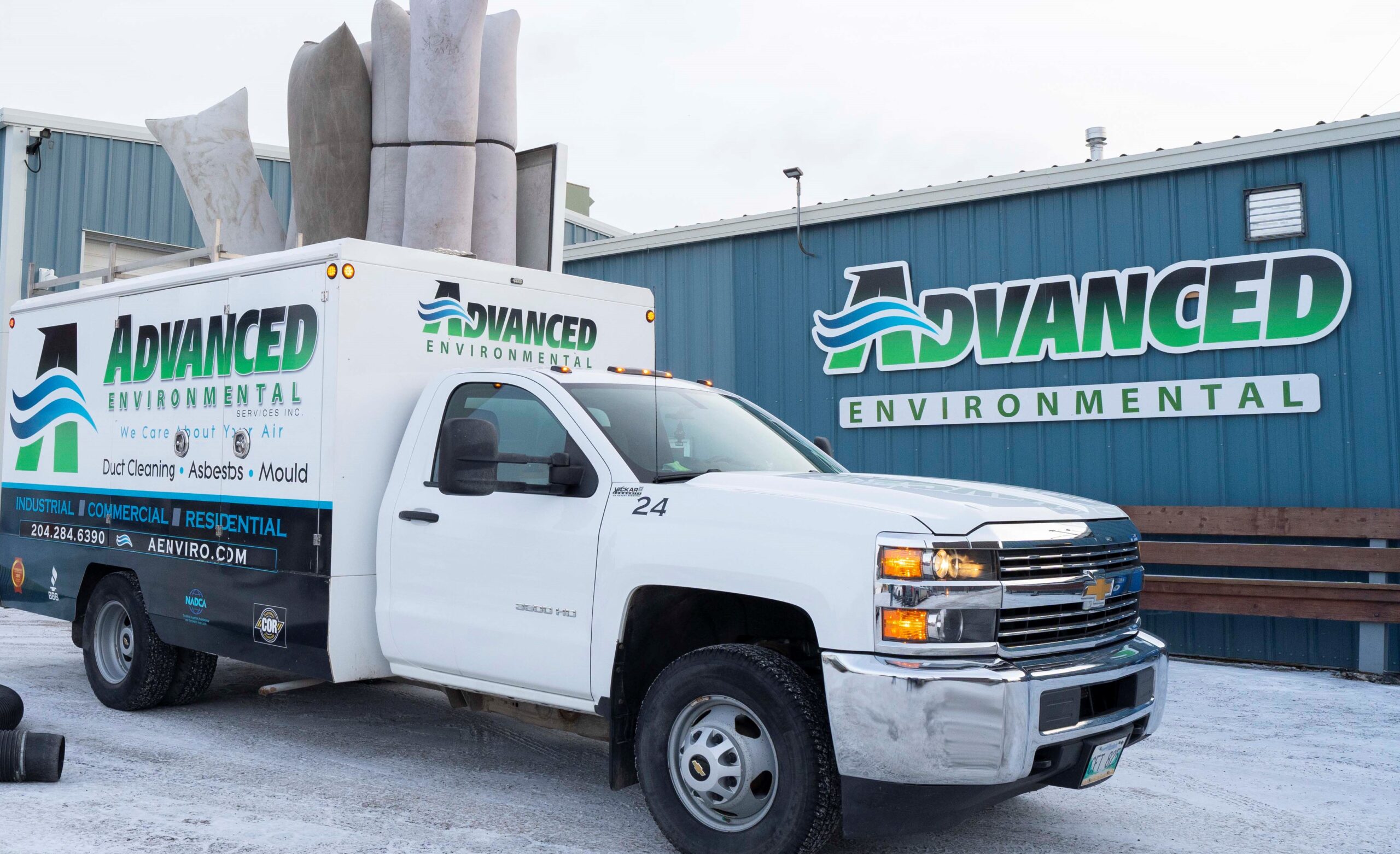
Disruption depends on your courage to schedule off-hours. Night and weekend work makes life easier for everyone. We often split floors into zones and keep supply or return air live in untouched zones so the building does not feel like a sauna. Expect noise near the equipment during setup, ladder traffic in corridors, and a whiff of cleaning agents near coils, which is why communication with tenants matters. If you have a trading desk or recording studio as a tenant, work around their critical hours with a little extra diplomacy and a lot of tape on the door.
A quick win exists in seasonal planning. Bundle duct cleaning with filter changes, coil service, and airflow checks. One mobilization, one mess, fewer keys to pick up from the security desk. Your operations team gets a cleaner handoff, and your contractor leaves fewer loose ends.
A building manager’s spring shortlist
If you want allergen control that shows up in fewer complaints and less dust on the bookshelf, build a sequence, not a one-off. Here is a compact list that balances thorough with practical.
- Walk the mechanical rooms and a sample of ceilings. Look for visibly dirty coils, stained insulation, dusty diffusers, clogged return grilles, and water marks near condensate lines. Photograph hot spots. Check your filter plan. Confirm sizes, frames, and gaskets. Decide whether your fans can handle MERV 13 this season, and if not, seal the racks tightly and set a more frequent change-out for the pre-filters during peak pollen weeks. Schedule commercial duct cleaning with coil and pan service on the same mobilization. Ask the contractor to capture before-and-after particle counts and coil delta-T readings, even if they are basic. Coordinate with janitorial for a top-to-bottom dusting and HEPA vacuuming after the cleaning. Otherwise the first cycle will reintroduce debris right back into the return. Plan a simple verification day two weeks after service. Recheck particle counts, static pressure, and a visual of diffusers. If something looks off, fix it while the work is fresh.
Verification without the lab coat
Buildings thrive on feedback loops. A few quick checks after cleaning confirm you got what you paid for and help you tune the schedule for next year.
Particle counters are cheap compared to sick days. Sample at a few consistent spots: near the main return on each floor, a typical open office zone, and a conference room that tends to run warm. Keep time of day and occupancy similar when comparing pre and post results. Focus on the 5 micron channel for larger allergen carriers and 0.5 micron as a sanity check for overall particulate. You are looking for trends, not courtroom evidence.
Measure static pressure across the filter racks and through the coil. A drop in pressure across a newly cleaned coil tells you the slime mat is gone. For filters, stability at a lower number suggests the racks are sealing and the filters are not loading too fast. If you see an early spike, inspect the intakes. I once found a missing section of intake bird screen that turned the mechanical room into a pollen wind tunnel.
Your nose is a tool. A musty smell after startup that fades slowly is not normal. It points to wet insulation or a drain pan that is not draining to the trap. Your duct cleaning visit is the right time to solve that, not during a July thunderstorm with a tenant on hold.
A tale of two spring cleanings
We manage two buildings within a mile of each other. One is a stitched-together set of 1980s offices with a cluster of trees that blow pollen like confetti straight at the intakes. The other is a glass box with higher floors and a cleaner approach path. The same spring, we ran commercial duct cleaning at both, paired with filter upgrades and coil service.
At the tree-lined building, we found a return plenum that looked like a rustic attic, raw insulation and all. Brushing would have done more harm than good. We stabilized the insulation with a low-VOC coating after a gentle vacuum, sealed obvious gaps, and added a fine-intake pre-filter panel upstream of the main filter bank. Particle counts at 5 microns after startup dropped by around half compared to the prior week, and employees in the mailroom finally stopped complaining about yellow dust on top of the cabinets. Maintenance had to swap pre-filters every three weeks during peak bloom, but fans stayed happy and filter differential pressure behaved.
At the glass box, the ducts were relatively clean, but the coils were matted. We saw a 2 degree Fahrenheit improvement in coil delta-T and normalized humidity faster after morning warm-ups. HR reported fewer allergy complaints through spring, which matched the particle data we tracked on two floors. The building’s energy dashboard also showed a slight dip in fan energy, small but real, because the VFDs were not pushing through a felt blanket of fuzz.
Different buildings, similar playbook, results that tenants could feel without ever seeing a duct brush.
The parts that look boring but matter most
Gaskets. Access panels. Mastic. These are the least photogenic heroes of allergen control. A filter cannot do its job when air takes a shortcut around the frame. I have pulled a filter to find a gray outline where air tunneled through a gap the size of a pencil. That bypass sends unfiltered pollen straight to the coil and into the supply. A five-dollar gasket fixes a thousand-dollar headache.
Diffusers and returns deserve a good wash, not just a wipe. The edges collect sticky films that grab particles. A cleaner can do a lot with a mild detergent and some patience. If the diffuser insulation is shedding, swap the diffuser. I know it hurts to replace a grille for a cosmetic crime, but every flaky piece becomes tomorrow’s dust.
For buildings with carpet, spring is the time to align deep carpet cleaning with duct and coil service. Carpets act like particle batteries. Discharge them the same week you clean the ducts or you will enjoy airborne lint fireworks during the first startup after cleaning.
When not to clean right now
If your system has active water leaks, microbial growth, or a construction project next door that coats everything in drywall flour daily, pause. Fix the moisture source first, wait until the heavy dust work winds down, then clean. Otherwise you will be mopping the tide.
If the building just underwent a major HVAC retrofit and you did a thorough post-construction clean, you might not need a full duct campaign this spring. Focus on filters, coils, and a tight verification plan. Save the big spend for next year unless tenant complaints say otherwise.
If your fans are at the ragged edge of capacity, jumping to denser filters without system tweaks may do more harm than good. Test, then decide. There is no shame in stepping up gradually while you plan for motor upgrades or fan cleaning that recovers static pressure.
Bring operations and occupants into the story
A building is not a sealed lab. People prop doors, hold long meetings in small rooms, and adopt ferns that shed spores like teenagers shed hoodies. Share a simple spring note with tenants: when the work happens, what smells or sounds to expect, and one or two things they can do to help. Ask them to keep supply diffusers unblocked and returns clear. If they love opening windows in April, explain that during peak pollen days, an open window is a pollen cannon.
Your cleaning crew can help too. Equip them with HEPA vacuums and microfiber cloths, and teach them not to bang dust back into the air on a Friday afternoon right after you finish cleaning return paths. Little alignments save big headaches.
What success looks like by summer
By July, you should see fewer dust halos around diffusers, lower particle counts at the usual sampling spots during the morning ramp, stable filter pressure with predictable changeouts, and quieter email inboxes. Energy savings may show up as a subtle slide in fan energy, a cleaner coil driving better heat exchange, and perhaps a bit less reheat if humidity control improves.
Most important, people breathe easier. Fewer sniffles in an open office are not a spreadsheet metric, but they show up in time on task, fewer desk-side tissue pyramids, and lighter loads on HR’s complaint lines.
Commercial duct cleaning, done right and paired with smart spring maintenance, is less about heroics and more about getting the basics dead right. Clean the places air touches. Upgrade the filters your system can handle. Seal the shortcuts. Verify with simple numbers. Then go outside, look at the yellow haze on your car, and feel better knowing it is not cycling through your supply diffusers like a seasonal feature.
A straightforward day-of game plan
For facility teams that like clarity, this is what a well-run cleaning day feels like when allergen control is the north star.
- Contractor arrives for a walkthrough, sets containment around AHUs and access points, and establishes negative pressure with HEPA collection. Operations tags out zones so tenants are not surprised. Registers, diffusers, and access panels come off. Techs dislodge debris with air whips and soft brushes while the collector runs. Coils and pans get cleaned and rinsed, sensors protected. Filters are swapped, racks sealed, and gaskets checked before reassembly. Intakes get a quick inspection for gaps or torn screens. The team does a visual on interior surfaces, takes photos, and captures quick particle counts and pressure readings. Anything odd is flagged for same-night fix or next-day plan. Janitorial follows with HEPA vacuuming and damp dusting in serviced zones. The building ramps up gently to check for noises, odors, or alarms.
That is it. No magic, just consistent control of air, dust, and moisture where it counts.
Spring gives you a window. Use it to reset the air your building breathes. A few smart choices now will carry through the sneezes of April, the thrum of June, and the long meetings of August without the soundtrack of constant throat clearing.
Advanced Environmental Services Inc.
341 Stanley St, Winnipeg, MB R3A 1S7
+12042846390